Case study 09 · Business networking · Health practice
Separating guest Wi-Fi from the reception network in a small practice
An illustrative plan for separating visitor connectivity from the devices used to run a healthcare practice.
The challenge: one network serving very different users
In this fictional scenario, a small health practice offers visitors Wi-Fi while its reception team uses networked computers and a printer to manage appointments. The same wireless password has circulated among visitors and staff for years, and nobody has a current map of the connected equipment. The practice wants to limit unnecessary access without interrupting the reception desk during opening hours.
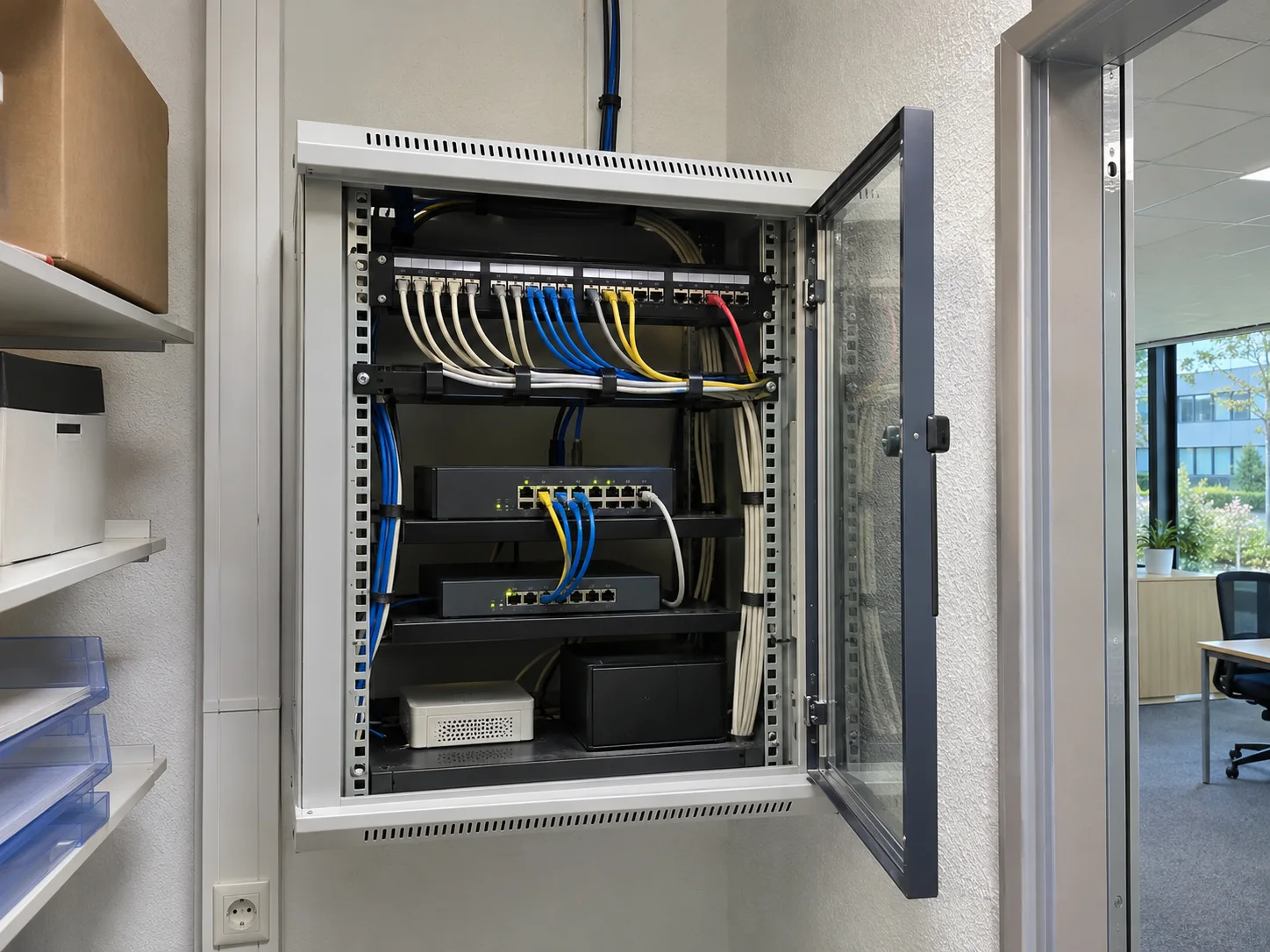
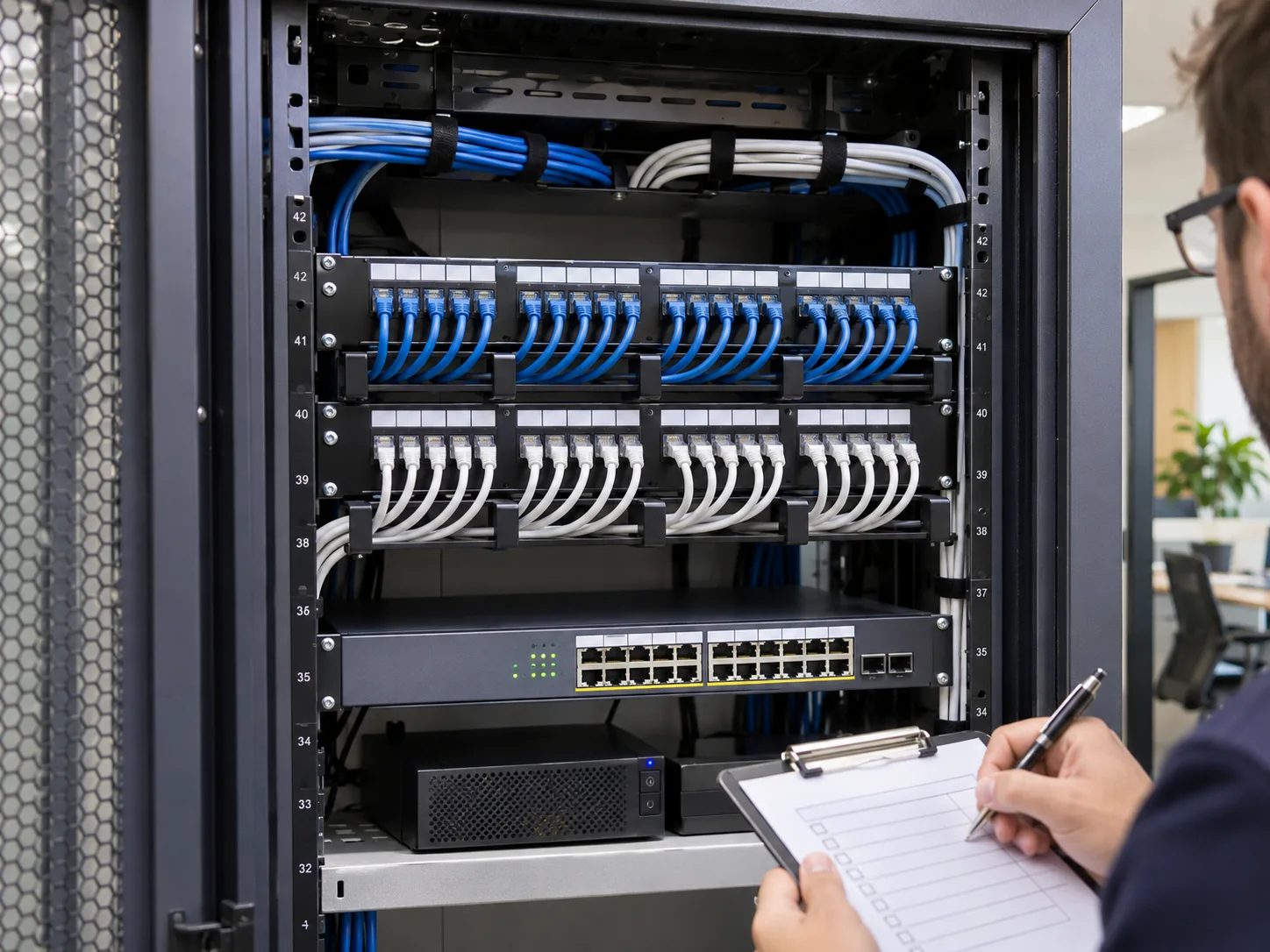
Changing a password alone would not establish which devices can reach each other. The starting point is to identify the router, switches, wireless equipment and essential services, including any external systems managed by specialist suppliers. The practice remains responsible for its own security and data-protection decisions.
Investigation: establish dependencies before making changes
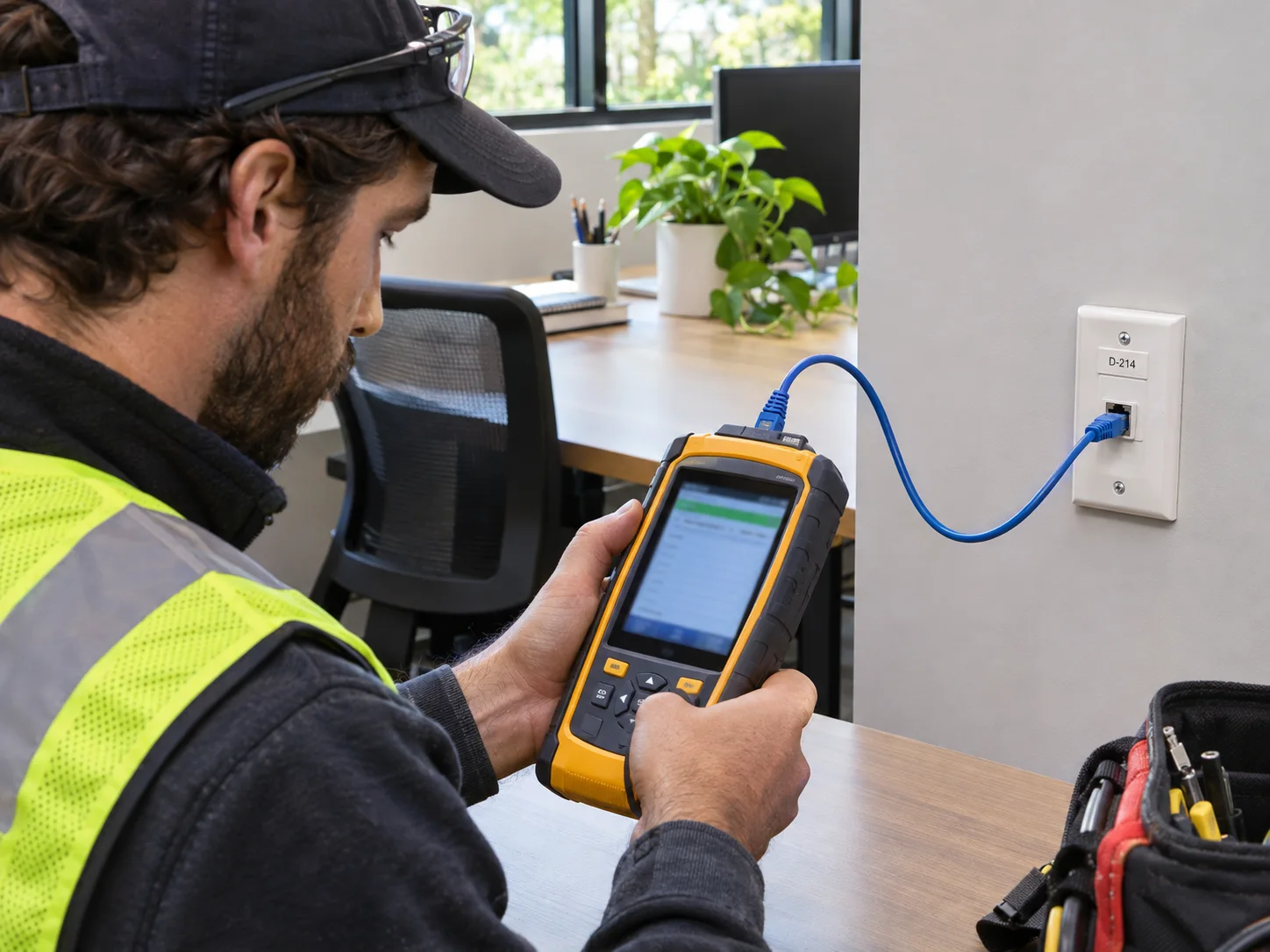
The proposed survey inventories known devices and asks reception staff which applications, printers and phones must work throughout the day. An installer checks whether the existing router and access points support separate networks and appropriate traffic rules, and confirms who can administer them. Unknown devices are investigated with the practice rather than disconnected on sight.
The plan identifies a maintenance window, a configuration backup and a rollback procedure. Any equipment controlled by a medical-software or telephone supplier is checked with that supplier before changes; network separation should not be assumed to solve application security or regulatory compliance.
Proposed design and acceptance
The illustrative design places visitor Wi-Fi on a separate network with internet access but no routine access to the practice's internal devices. Staff devices use a separately controlled network, and administrative access to network equipment is restricted to authorised people. Whether segmentation is implemented with VLANs or other supported controls depends on the equipment and survey findings.
After configuration, the installer would test from a guest device that internal resources are unreachable, then verify appointment software, printing and calls with staff using their normal accounts. The handover would document network names, equipment ownership, rules and a secure process for changing credentials, without recording passwords on public labels.
Limits and follow-up
This is a fictional example, not a completed client project or a guarantee of privacy compliance. A real practice should assess its own risks and obligations with qualified advisers. Guest isolation, updates and access permissions need periodic review, especially when a new printer, supplier or wireless device is introduced.
Photo briefs
Illustrative AI-generated images based on each scenario; these are not verified client photographs.