Case study 10 · Commercial networking · Hospitality
Tracing intermittent card-terminal faults in a busy café
A fictional troubleshooting exercise that distinguishes local cabling faults from payment-provider or internet issues.
The challenge: failed transactions at the busiest counter
In this fictional café, a card terminal occasionally loses its connection during the lunch rush. Staff can usually reconnect it, but the interruption delays the queue. The terminal, till and customer Wi-Fi all depend on connectivity in the same premises, and the owner is considering a faster internet subscription.
An intermittent payment fault can have several causes, from a damaged patch lead or an overloaded wireless channel to a provider or terminal-service outage. The proposed investigation avoids assuming that the internet connection is at fault and does not involve handling cardholder data.
Investigation: follow the connection and record the symptoms
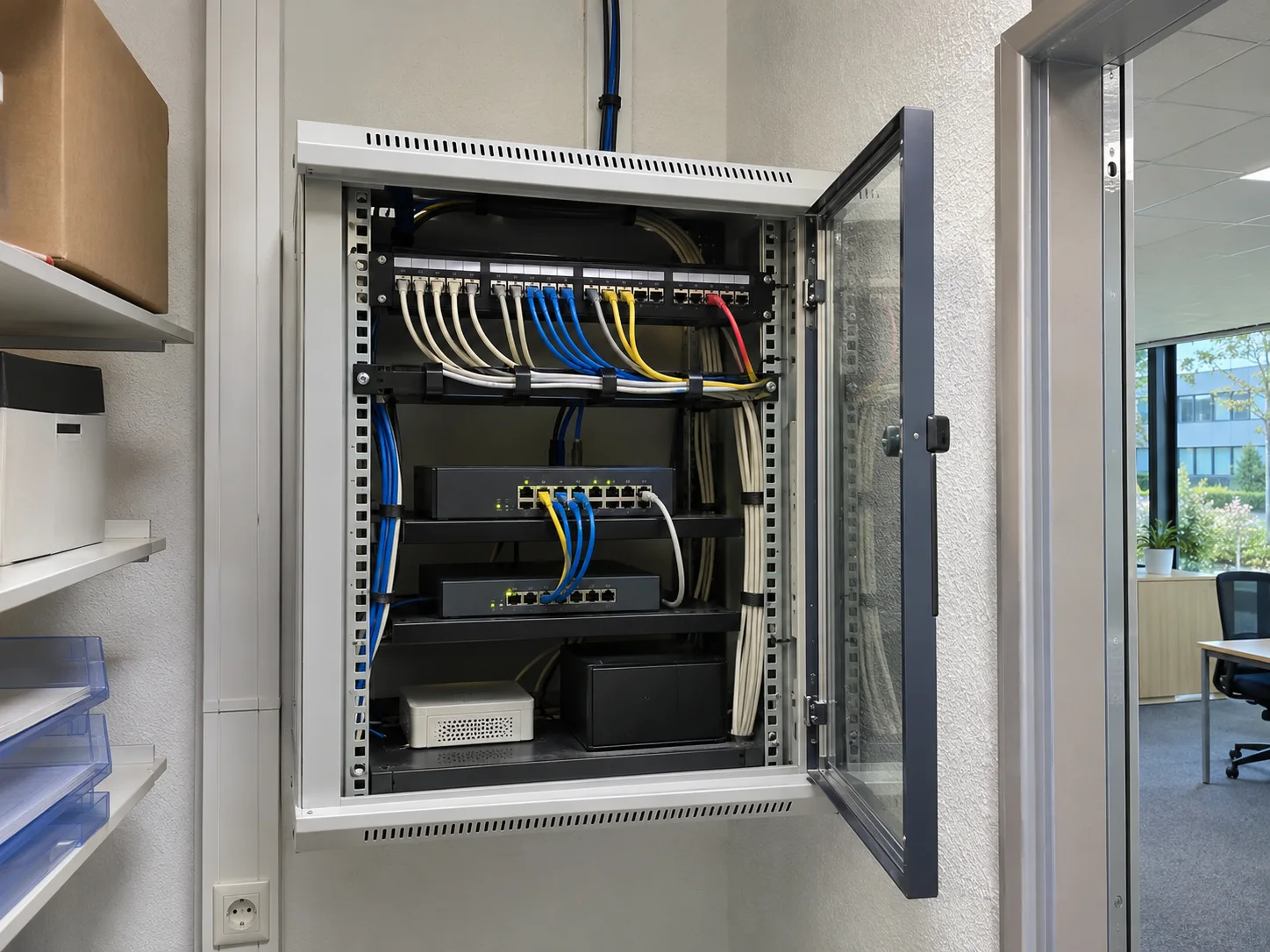
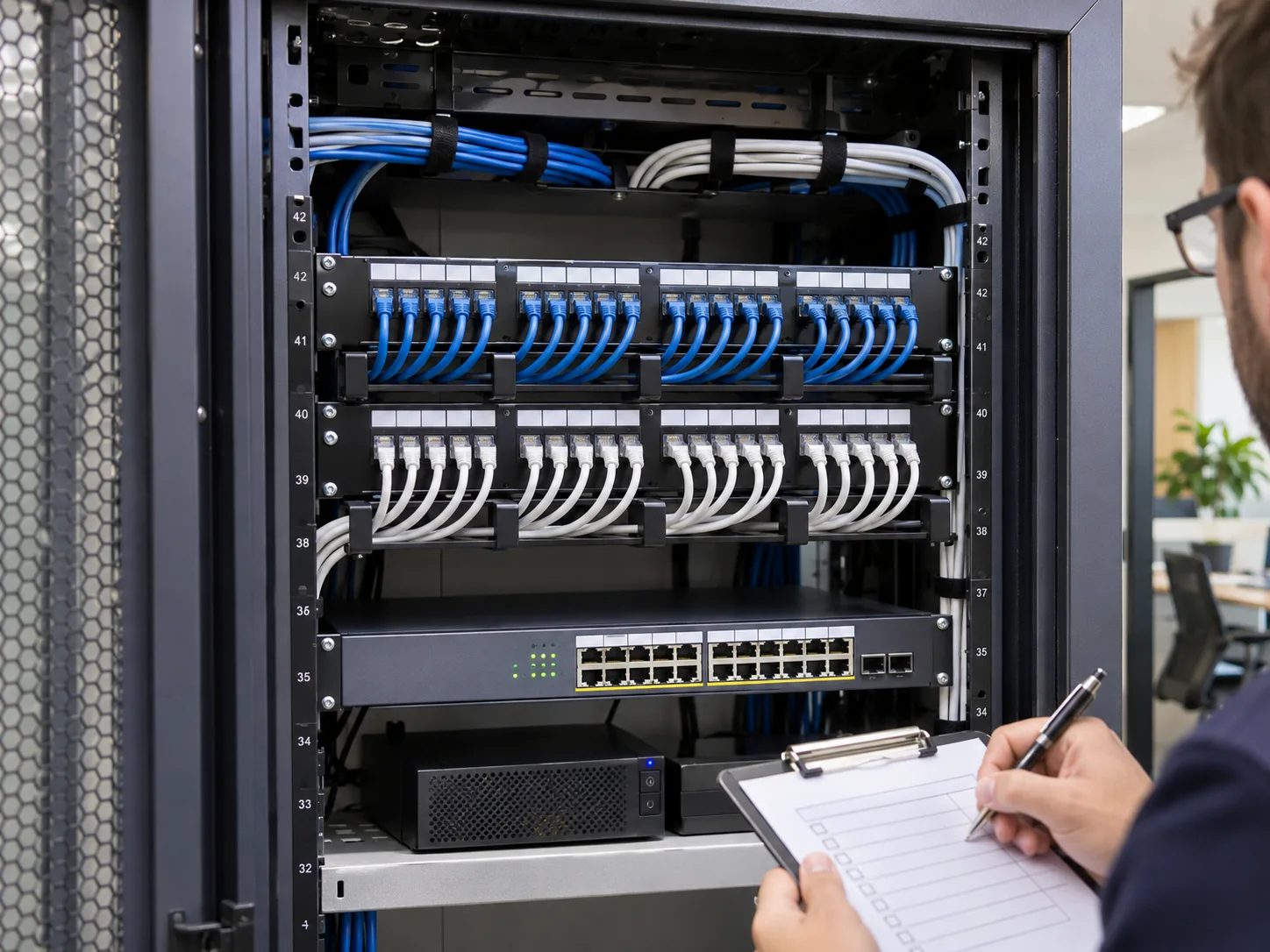
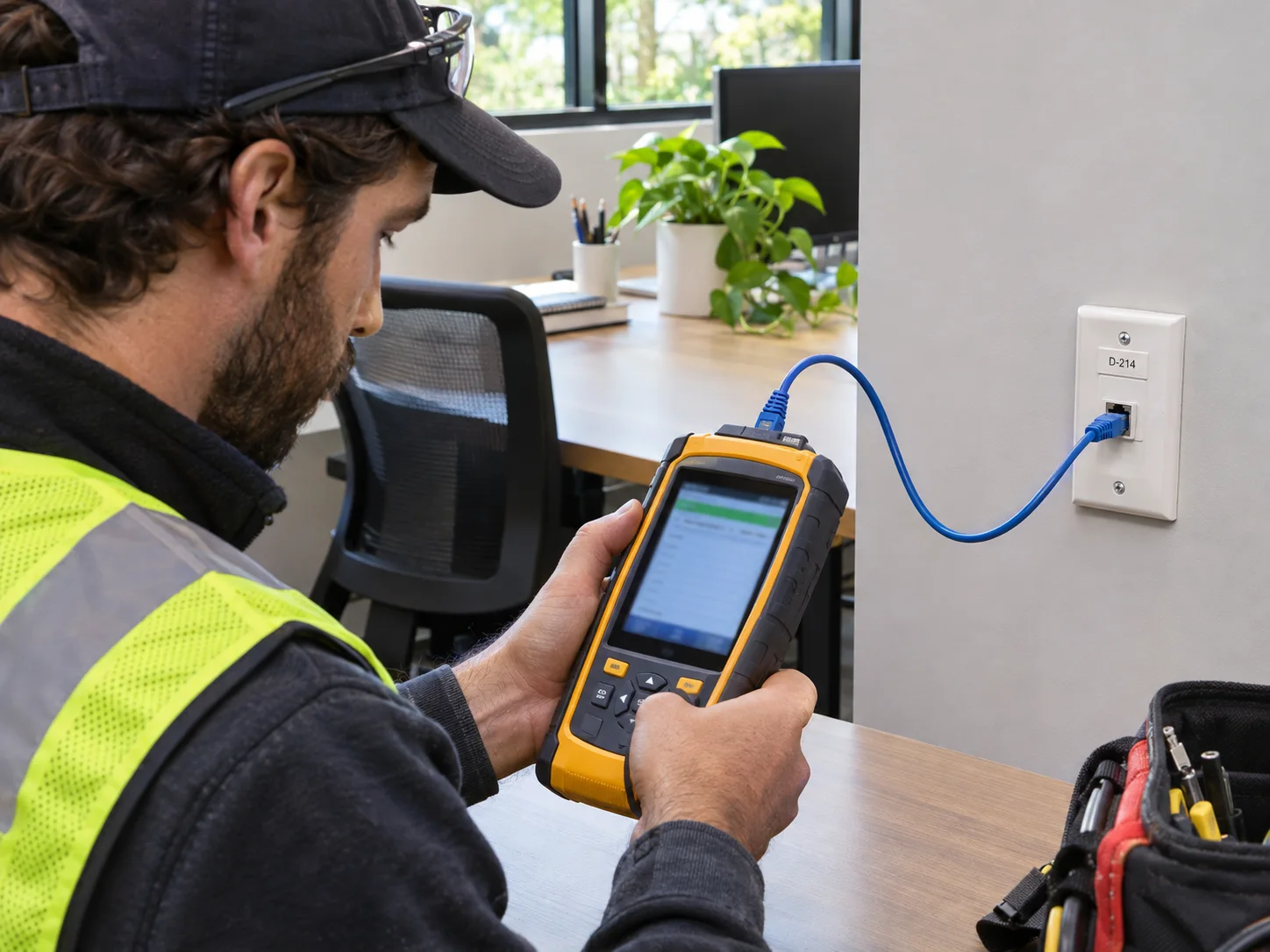
The installer would ask staff to note the time, terminal status and whether other services were affected, without writing down payment details. The network path would be traced from the terminal to the router, including any switch, wall outlet or wireless link. Cable condition, link negotiation and equipment logs could be checked alongside the service provider's status information.
In the scenario, a patch lead near the counter is repeatedly bent when the till is moved. That observation makes the lead a candidate for testing, not proof of the cause. A known-good replacement and a controlled comparison would help establish whether the fault follows the cable, terminal or another part of the path.
Proposed correction and practical validation
If testing confirms a damaged lead, the plan is to replace it with a suitable cable and route it away from moving equipment. Connections would be labelled and secured without blocking staff access or creating a trip hazard. Any terminal configuration or payment-service changes would be coordinated with its provider and follow its instructions.
The owner and provider would agree a safe way to validate transactions, including any test or refund procedure, while staff check that the till and guest Wi-Fi still operate. A short observation period during normal service would be more informative than a single successful connection immediately after the repair.
Limits and follow-up
This scenario illustrates a diagnostic method rather than a real repair or a promised reduction in declined payments. The café would retain a simple fault log and provider contact details, and recheck the cable route after counter changes. Payment security and compliance remain the responsibility of the business and its payment provider.
Photo briefs
Illustrative AI-generated images based on each scenario; these are not verified client photographs.